

Google Alerts is not working, according to the company.
An issue has been identified and is currently being resolved.
Exact details, such as the scope of the outage and how long it will take to resolve, are not yet known.
Problems with Google Alerts are uncommon, but they do occur.
Even a brief outage can be costly if it causes a company to miss an important alert.
Google Alerts is used to keep track of specific keywords and topic mentions.
Businesses and marketers frequently use Google Alerts to monitor media mentions.
Certain mentions can provide opportunities to respond strategically or earn a link back from the publication.
For example, using Google Alerts, you may discover that a website has credited your work without including a link to your company’s name.
This provides an opportunity to respond and politely request a link to the page containing the work they’re referring to.
It’s not that they didn’t want to link to you; the lack of a link could simply be an oversight.
Not all website owners understand the importance of backlinks and how important they are for SEO.
You can give them even more incentive by reminding them that it’s a Google best practice to link to sources rather than just mention them.
If they value your work enough to include it in their writing, they’ll usually be happy to include a link as well.
All of this advice will be for naught if you are unable to capitalize on opportunities because Google Alerts is unavailable.
Companies that rely on Google Alerts for media monitoring and link building should have backup plans in place for days like today.
The fact that Google Alerts is free is arguably its most appealing feature. As a result, I will not recommend anything that requires payment.
Here are the best free Google Alerts alternatives.
Read How to Get Your Business Started When You’re Just Getting Started.
Alternatives to Google Alerts for Free
1. Talkwalker Warnings

Talkwalker Alerts performs all of the functions of Google Alerts and more. All for the same price of nothing.
Talkwalker can be used to monitor blogs, forums, websites, and Twitter.
Unlike Google Alerts, which continuously monitors all available sources, Talkwalker allows users to filter results by the sources they care about the most.
This is the best and most highly regarded free alternative to Google Alerts.
2. Social Seeker
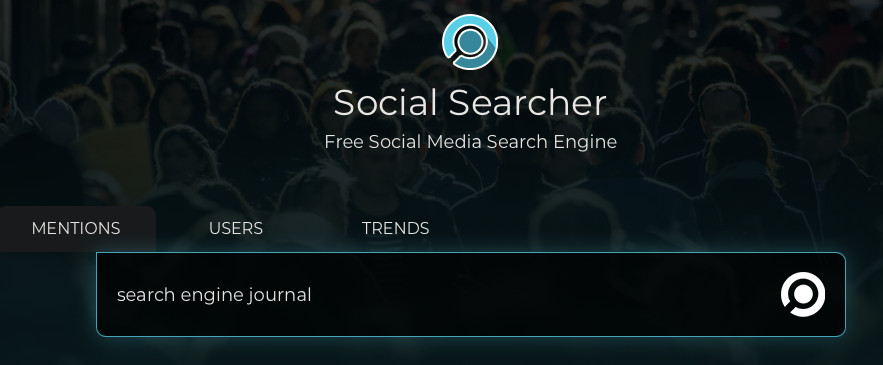
This tool’s free capabilities are nowhere near those of Google Alerts, but they will suffice in a pinch.
You can use Social Searcher to conduct a real-time search for your brand name to see where and how it’s being mentioned on the internet.
The search engine will return a list of results that include the mentions, as well as information about who is mentioning your brand, how the sentiment is, and what keywords are being used in relation to your brand.
This tool does not provide free monitoring, but it does allow you to conduct 100 free searches per day.
On days when Google Alerts is down, Social Searcher could come in handy.
3. Mention
The social media monitoring tool used by brands and agencies all over the world has a free tier that could be beneficial to smaller businesses.
Mention’s free tier allows you to monitor up to three social media accounts and track up to 1,000 mentions per month.
You can only get one free alert per month, so you’ll have to check this tool manually the majority of the time.
By no means is the free tier a direct replacement for Google Alerts, but it may be useful as a backup.
Conclusion
Google Alerts is still not working properly at the time of publication, but the company hopes to fix it “quickly.”
The monitoring of media is a big business, with subscription software costing hundreds of dollars per month.
Learn more from SEO and read 7 Best Yoast SEO WordPress Plugin Alternatives.


