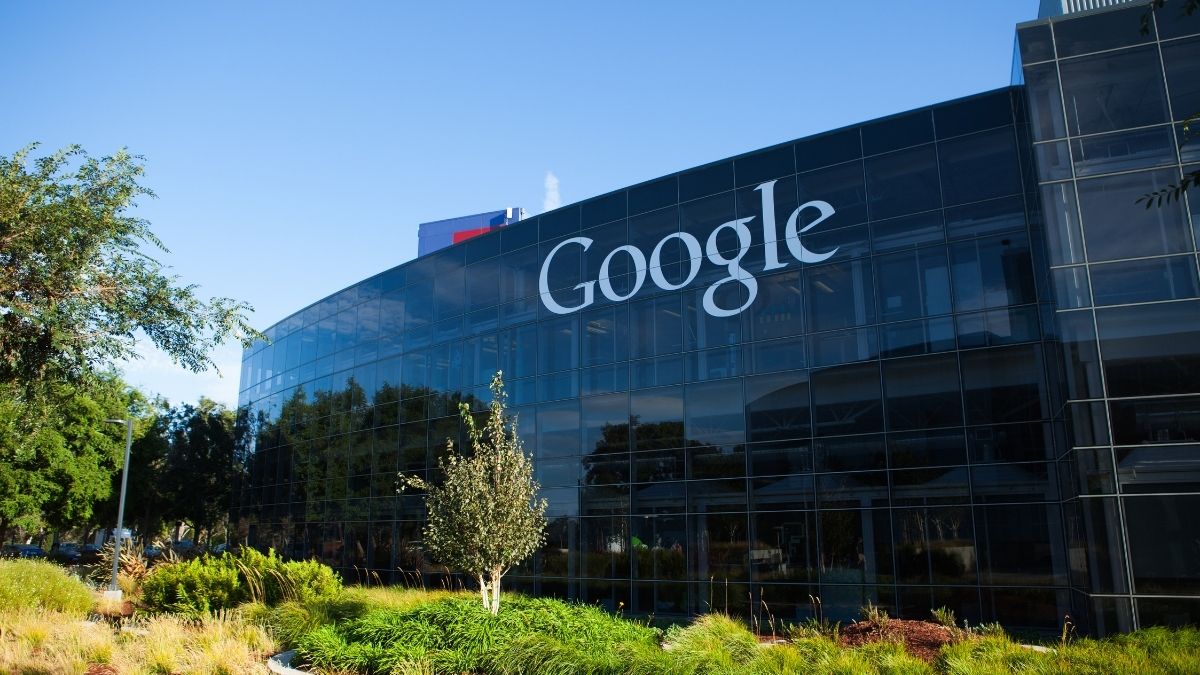
Google published a data and measurement strategy article that looks at the near future of cookies, privacy, and conversion tracking. The article describes what marketers should expect in 2023 and what they should be doing now to prepare.
According to the article, only 10% of the population was covered by privacy regulations in 2020, but by 2023, a whopping 65 percent of the population will live in countries with privacy-protecting regulations that limit how much of their Internet activity can be tracked.
The article discusses conversion-boosting strategies and presents them in the form of debunking three myths about the privacy-first marketing reality of the not-too-distant future.
Three Myths About Privacy First
- Myth #1: Cookie deprecation will cause website tags to malfunction.
- Myth #2: Accurate measurement is dependent on data from third parties.
- Myth #3: Protecting the privacy and achieving business goals are incompatible.
Myth 1: Website Tags and Cookie Deprecation
Third-party cookies will be phased out over time, according to Google, but this will not affect the ability to accurately measure and optimize Internet marketing campaigns.
To optimize marketing campaigns, they recommend using a global site tag (gtag.js) or Google Tag Manager.
According to Google, these measurement tools provide:
“…accurate measurement, have positive downstream effects, and improve conversion modeling and bidding.”
Myth 2: Accurate measurement will be harmed if third-party data is lost
Third-party cookies enabled contextually relevant advertising, which improved customer targeting for advertisers and is commonly referred to as creepy ads by consumers.
According to Google, now is the best time to start thinking about a First-Party Data Strategy.
The article includes a link to a video featuring Jaylen Baca, a Google Global Product Lead, titled “How marketers should think about building a first-party data strategy.”
Read 9 Google Ads Tips to Make Your B2B Campaigns Shine.
He begins his presentation by defining First-Party Data as all information gathered about each customer from any type of interaction, including phone, in-store, and app interactions.
Baca recommends forming B2B partnerships with related businesses to aid in the collection of more first-party data.
He offered this scenario:
“For example, if you’re a food and beverage company, you could consider partnering with a home-meal-kit seller like Home Chef or HelloFresh to broaden your audience reach and build up your data.”
Myth #3: Privacy protection has a negative impact on business results
Google admits that the loss of third-party data will result in “measurement gaps,” which it says is unavoidable.
They do, however, suggest that privacy-safe machine learning models can assist in providing accurate customer journey reporting.
Google explains:
“Machine learning works by analyzing data to identify trends, correlations, and other insights that may otherwise be missed, through human error or otherwise.”
There’s a link to a five-minute video explainer about Conversion Modeling that gives an overview of how machine learning, combined with first-party data, can help improve campaign performance, citing a study that found machine learning tools can boost campaign performance by 35%.

Learn more from SEO and read Future-proofing 2022 strategies: four things marketers need to know.