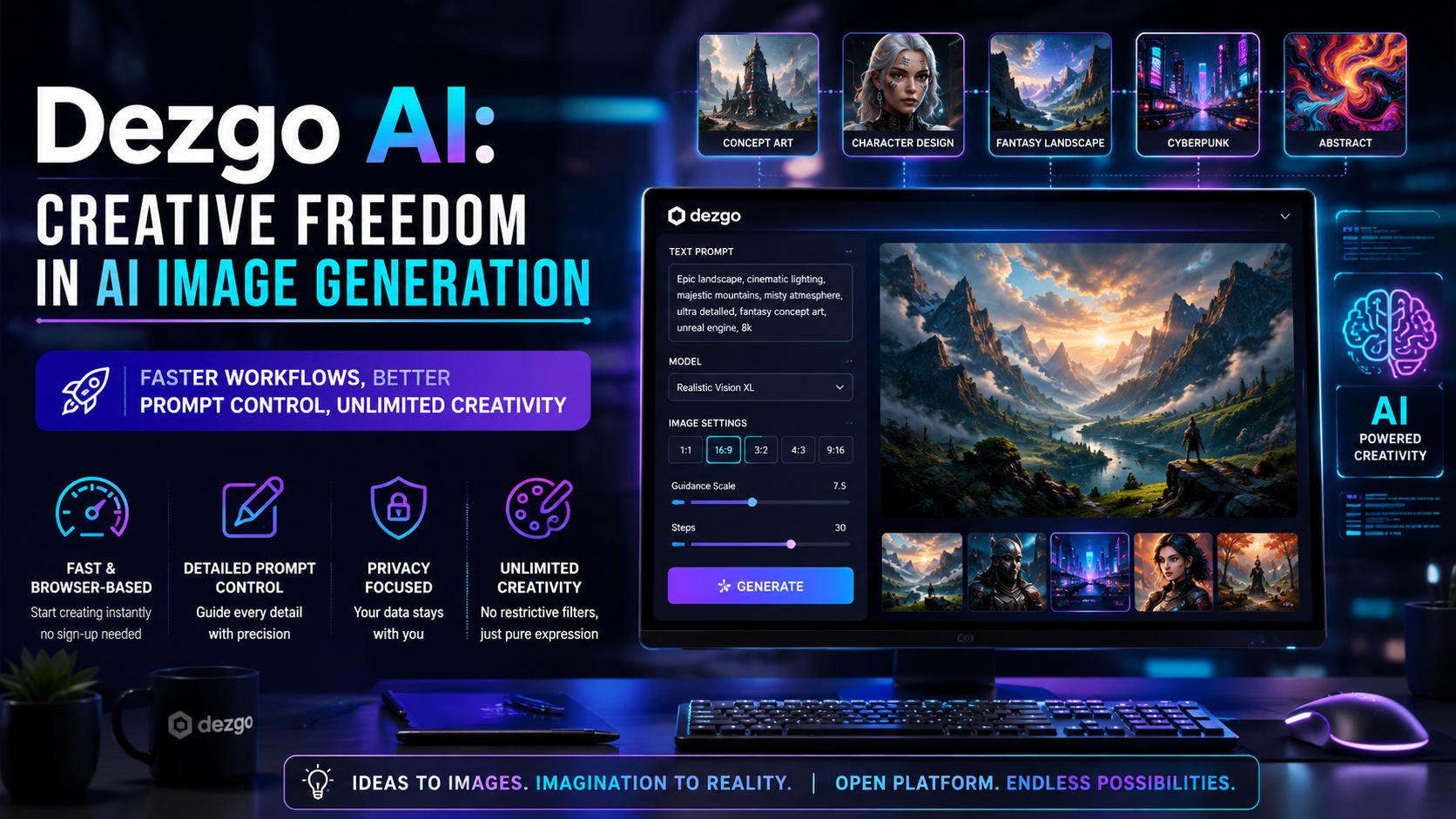
Modern generative art platforms often prioritize corporate safety over user intent, implementing rigid keyword lists that restrict the generation of specific visual topics. This has led many creators to look for alternative engines that operate with fewer limitations. The dezgo nsfw free ecosystem allows artists to bypass these standard hurdles, providing a platform where conceptual boundaries are defined by the user rather than by restrictive programming scripts.
When working with an open generation environment, the quality of your text-based input determines the output. Because the machine learning model does not rely on an extensive, pre-filtered vocabulary, you can be extremely specific with your descriptive phrases. Technical keywords regarding light temperature, lens focal length, focal depth, and texture grain provide the machine with a precise blueprint for the visual canvas. This approach yields results that are consistent with your detailed instructions, rather than results limited by an automated scanner.
The speed of browser-based processing is another major advantage for productivity. Avoiding lengthy registration procedures means you can start generating assets the moment an idea occurs to you. In professional design environments, this agility is an asset. You can test multiple aesthetic directions rapidly, discard what does not work, and refine what does, all within a single session. This creates a feedback loop that drastically shortens the design phase, allowing for more time dedicated to final polish and art direction.
Data security remains a constant concern for digital professionals. By utilizing tools that process information directly within your browser, you minimize the risks associated with cloud-based data harvesting. Your local system handles the synthesis of the visual data, keeping your project files and stylistic choices private. This provides peace of mind when working on sensitive or proprietary media that you do not want stored on external company servers.
Technical consistency requires an iterative approach. If your initial output does not match your expectations, analyze the prompt structure. Often, adding specific stylistic qualifiers—such as “cinematic lighting” or “dramatic shadows”—can steer the generation process more effectively than simple, broad nouns. Practice building your prompts with a clear hierarchy of visual information to ensure the platform interprets your request correctly every single time.
Ultimately, the value of an open platform is the freedom it grants. Creators possess the responsibility to steer their own projects, and having tools that respect that autonomy is essential for innovation. By choosing a system that facilitates rather than restricts, you are essentially investing in a more efficient, less frustrated creative process. Whether your goal is concept art, character design, or abstract visual experimentation, utilizing an open engine simplifies the path to achieving your vision.